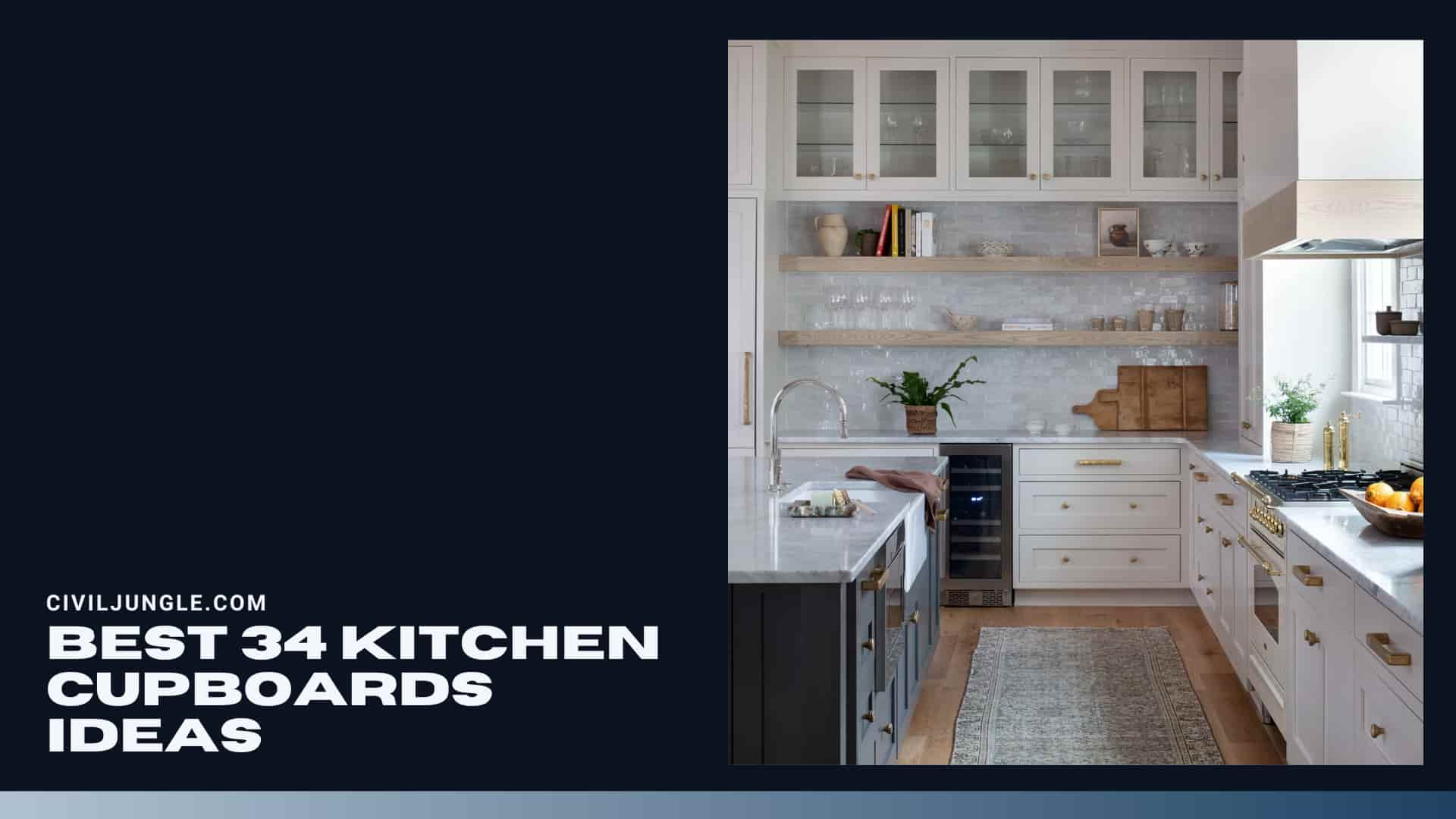
Kitchen cupboards are more than just storage solutions; they’re the backbone of your kitchen’s design and functionality. From selecting the right style to finding smart ways to maximize space, each detail can transform an ordinary kitchen into the heart of your home.
Whether you’re planning a complete renovation or just updating your existing cupboards, these 10 key points will help you make informed decisions that balance aesthetics, practicality, and budget.
1. Trending Cupboard Styles
Important Point

1.1 Modern Minimalist
- Key Traits
- Flat-panel or slab doors (often handleless)
- Clean lines and clutter-free surfaces
- Neutral or monochromatic color palettes (white, gray, black)
- Benefits
- Easy to maintain and clean
- Creates a spacious, open feel in the kitchen
- Complements contemporary appliances and open-concept designs
1.2 Farmhouse & Rustic
- Key Traits
- Shaker-style doors with simple, recessed panels
- Warm or distressed wood tones (oak, pine) or muted paint finishes (cream, light gray)
- Vintage hardware (cup pulls, iron handles)
- Benefits
- Adds a cozy, homely atmosphere
- Pairs well with natural textures (exposed beams, butcher block countertops)
- Classic appeal that doesn’t go out of style easily
1.3 Transitional
- Key Traits
- Combines modern elements (clean lines) with traditional touches (crown molding)
- Neutral color palette (beige, taupe, white, light gray)
- Mixed finishes (e.g., wood cabinets with brushed nickel hardware)
- Benefits
- Versatile design that adapts to changing trends
- Balances a modern look with warm, inviting details
- Ideal if you want a timeless yet updated aesthetic
1.4 Vintage & Retro
- Key Traits
- Pastel color cabinets (mint green, baby blue)
- Rounded edges or decorative moldings
- Retro-style hardware (ceramic knobs, chrome pulls)
- Benefits
- Infuses nostalgia and character
- Great for eclectic or bold kitchen designs
- Can easily be mixed with modern appliances for an interesting contrast
2. Color Combinations & Finishes

2.1 Neutral & Light
- Options: White, cream, light gray, beige
- Pros:
- Makes the kitchen look bigger and brighter
- Works well with any accent color or accessory
- Easy to mix with different countertop and backsplash materials
2.2 Bold & Contrasting
- Options: Black & white, navy & gold, dark gray & brass
- Pros:
- Creates striking visual impact
- Adds modern luxury to the space
- Perfect for large or open kitchens where contrast won’t overwhelm
2.3 Two-Tone Cabinets
- Configuration: Light upper cabinets with darker lower cabinets, or a statement island in a bolder color
- Pros:
- Adds depth and visual interest without cluttering the design
- Allows you to experiment with colors in a controlled way
- Can help define different zones (e.g., prep area vs. storage area)
2.4 Popular Finishes
- Matte: Subtle, sophisticated, and hides minor smudges
- High-Gloss Lacquer: Reflective, modern finish—requires frequent cleaning to avoid fingerprints
- Wood Veneer: Offers the natural warmth of wood at a lower cost than solid timber
- Distressed or Glazed: Ideal for a rustic, farmhouse, or vintage look
3. Space-Saving Solutions

3.1 Vertical Storage
- Tall Cabinets: Extend cupboards to the ceiling to maximize storage
- Stacked Shelves: Use open shelves above cabinets or within cabinet doors to store less frequently used items
3.2 Corner Utilization
- Lazy Susans: Rotating trays that make corner items easier to reach
- Pull-Out Corner Systems: Mechanisms that slide out fully to access pots, pans, or pantry goods
- Diagonal Drawers: Custom drawers designed for awkwardly shaped corners
3.3 Specialized Pull-Outs & Inserts
- Spice Racks: Narrow vertical pull-outs next to the stove for quick access
- Trash & Recycling Bins: Hidden compartments that slide out, preserving a clean look
- Cutlery & Utensil Dividers: Keep drawers organized; prevent clutter
3.4 Hidden Appliances
- Panel-Front Dishwashers & Fridges: Match the cupboard design for a seamless look
- Built-In Microwaves & Ovens: Free up countertop space while maintaining a cohesive design
4. Material Selection & Durability

4.1 Solid Wood
- Pros:
- Timeless, high-quality appearance
- Can be sanded or refinished for longevity
- Cons:
- Higher cost
- May warp or expand in high humidity without proper sealing
4.2 MDF (Medium-Density Fiberboard)
- Pros:
- Smooth, even surface—ideal for painted finishes
- More budget-friendly than solid wood
- Cons:
- Less resistant to moisture
- Susceptible to swelling if edges are not sealed
4.3 Laminate
- Pros:
- Wide range of colors and patterns
- Easy to clean and generally affordable
- Resistant to minor scratches
- Cons:
- Can peel or chip over time
- Not as high-end in appearance as wood or veneer
4.4 Metal & Glass Accents
- Metal Doors: Stainless steel or aluminum for an ultra-modern look
- Glass Inserts: Frosted or clear glass to display dishware
- Pros:
- Sleek design that adds visual interest
- Reflects light for a more open feel
- Cons:
- Shows fingerprints and smudges easily
- Requires frequent cleaning to maintain shine
5. Custom vs. Pre-Made Cabinets

5.1 Custom Cabinets
- Characteristics:
- Tailored to exact kitchen dimensions and personal design preferences
- Options for unique storage features (built-in spice racks, corner drawers, etc.)
- Pros:
- Perfect fit for any layout—even irregular spaces
- Allows for a one-of-a-kind aesthetic
- High-quality craftsmanship and finishes
- Cons:
- More expensive than stock or semi-custom
- Longer lead times for design and construction
5.2 Pre-Made (Stock) Cabinets
- Characteristics:
- Mass-produced in standard sizes and finishes
- Sold at major home improvement stores
- Pros:
- Budget-friendly, usually in-stock or quickly available
- Easier and faster to install
- Cons:
- Limited size, style, and finish options
- May not fit perfectly in unconventional kitchen layouts
5.3 Semi-Custom
- Characteristics:
- Based on stock cabinet sizes but with some customizable features (front styles, finishes, hardware)
- Pros:
- Balance between affordability and personalization
- More variety than fully stock cabinets
- Cons:
- Still not as flexible as fully custom
- Could have some size restrictions
6. Island & Peninsula Cupboards

6.1 Island vs. Peninsula Distinctions
- Island
- Freestanding cabinet unit in the center of the kitchen
- Ideal for larger or open-concept kitchens
- Offers 360° access and more flexibility for seating or storage
- Peninsula
- Attached to a wall or row of cabinets on one end
- Suits smaller or narrower kitchens where a full island won’t fit
- Creates a partial divider between kitchen and adjoining area
6.2 Storage & Organization
- Built-In Cabinets and Drawers
- Additional space for pots, pans, and utensils
- Deep drawers accommodate larger items like mixing bowls or small appliances
- Pull-Out Shelving & Inserts
- Perfect for keeping baking trays, cutting boards, or spices neatly stored
- Helps utilize every inch of the island/peninsula’s interior
- Integrated Appliances
- Wine coolers, mini-fridges, or microwave drawers can be seamlessly built into an island
- Maintains a clean, cohesive look
6.3 Seating & Multi-Purpose Use
- Overhang Countertops
- Extends the countertop a few inches over the cabinet base for bar-style seating
- Ideal for casual dining or entertaining
- Multi-Level Surfaces
- Separate cooking/prep area from eating space by having different counter heights
- Adds visual interest and ergonomic benefits
- Flexible Workstation
- Can serve as a baking station, homework spot for kids, or buffet serving area during gatherings
7. Innovative Storage Systems

7.1 Drawer Enhancements
- Full-Extension Slides
- Allows access to the very back of drawers
- Ensures nothing gets lost or forgotten
- Built-In Drawer Dividers
- Keeps utensils, knives, and gadgets organized
- Customizable layouts depending on your cooking habits
- Deep Pot Drawers
- Accommodates bulky cookware and keeps them easily reachable
- Eliminates the need for stacking heavy pots in lower cabinets
7.2 Pantry Solutions
- Pull-Out Pantries
- Narrow, tall cabinets with sliding shelves to quickly see all contents
- Great for canned goods, spices, and dry pantry items
- Floor-to-Ceiling Cabinets
- Maximizes vertical storage in smaller kitchens
- Can be outfitted with adjustable shelves and baskets
- Butler’s Pantry
- A dedicated nook or small room—if space allows
- Provides extra countertop and cupboard space for small appliances
7.3 Vertical & Overhead Storage
- Hanging Racks
- Perfect for pots, pans, or utensils in easy reach
- Frees up valuable cupboard space
- Ceiling-High Cabinets
- Extends standard cabinets to the ceiling to eliminate dust-catching gaps
- Ideal for storing infrequently used items
7.4 Tech Integration
- Charging Stations
- Integrated USB ports or outlets in drawers/cabinets for charging devices
- Smart Shelves
- Motion-sensor lighting that activates when doors open
- Automatic lifts for upper cabinets, accessible at the push of a button
8. Cabinet Upgrades & Enhancements

8.1 Lighting Upgrades
- Under-Cabinet LED Strips
- Illuminate the work surface, reduce shadows, and add ambiance
- Energy-efficient and easy to install
- Interior Cabinet Lighting
- Ideal for glass-front or display cabinets to showcase dishware
- Motion-activated lights for a high-end touch
- Toe-Kick Lighting
- Soft lights installed at the base of cabinets
- Provides low-level illumination and a modern look
8.2 Hardware & Trim Refinements
- Crown Molding & Decorative Trim
- Adds a polished, custom look to upper cabinets
- Perfect for transitional or traditional designs
- Decorative Corbels & Brackets
- Enhance farmhouse or classic aesthetics beneath countertops or open shelving
- Upgraded Handles & Knobs
- Swap basic hardware for premium finishes (brass, matte black, polished nickel)
- A quick way to refresh cabinet appearance
8.3 Repainting & Refinishing
- Sand & Prime
- Key steps to ensure a smooth surface for paint or stain
- High-Quality Paint
- Durability is crucial in the kitchen’s high-traffic, moisture-prone environment
- Refinishing Wood Cabinets
- Strip old varnish and reseal for a brand-new sheen
- Maintains the warmth and character of natural wood
9. Eco-Friendly & Sustainable Cabinetry

9.1 Sustainable Materials
- Bamboo or Reclaimed Wood
- Rapidly renewable or repurposed materials reduce environmental impact
- Offers unique grain patterns and character
- FSC-Certified Wood (Forest Stewardship Council)
- Guarantees responsibly managed forests and ethical sourcing
- Recycled Metal & Glass
- Minimizes new resource extraction; modern and industrial look
9.2 Non-Toxic Finishes & Adhesives
- Low-VOC (Volatile Organic Compounds) Paints
- Reduces harmful fumes for better indoor air quality
- Water-Based Sealants
- Less toxic than solvent-based versions
- Formaldehyde-Free Glues
- Common in particleboard and plywood; eco-friendly alternatives available
9.3 Responsible Manufacturing
- Local Craftspeople
- Cuts down on transportation emissions
- Supports local businesses and artisanal craftsmanship
- Waste Reduction Practices
- Manufacturers that recycle scraps or use energy-efficient machinery
- Contributes to a lower carbon footprint
10. Planning & Execution

10.1 Measurements & Layout
- Accurate Measuring
- Double-check all dimensions (width, height, depth)
- Account for appliance doors, walkways, and adjacent room transitions
- Mock Layouts
- Use graph paper, online planners, or cardboard mock-ups to visualize spacing
- Professional Consultation
- Kitchen designers or contractors can refine your plan, avoiding costly mistakes
10.2 Timelines & Coordination
- Phased Approach
- Schedule demolition, cabinet installation, and countertop fitting in logical order
- Minimizes downtime and delays
- Lead Times
- Custom or semi-custom orders can take weeks or even months
- Order cabinetry early to avoid project slowdowns
- Delivery & Storage
- Ensure you have a dry, safe area to store cabinets until installation
10.3 Installation & Quality Checks
- Proper Tools & Techniques
- Level floors and walls before installing to prevent alignment issues
- Use corner braces and secure studs for stability
- Hardware Precision
- Attach handles and knobs carefully to avoid crooked or misaligned pulls
- Double-check soft-close hinges and drawer slides for smooth operation
- Post-Installation Inspection
- Look for scratches, dents, or misalignments
- Confirm that all doors and drawers open and close properly
10.4 Final Touches & Maintenance
- Sealing & Caulking
- Seal joints along walls and countertops to protect from moisture
- Protective Pads
- Place felt pads inside drawers or cabinets to reduce noise and damage
- Long-Term Care
- Routine cleaning with mild soap or specialized solutions
- Regularly inspect for leaks under sinks or around appliances
Like this post? Share it with your friends!
Suggested Read –
Originally posted 2024-03-07 16:10:56.


Leave a Reply