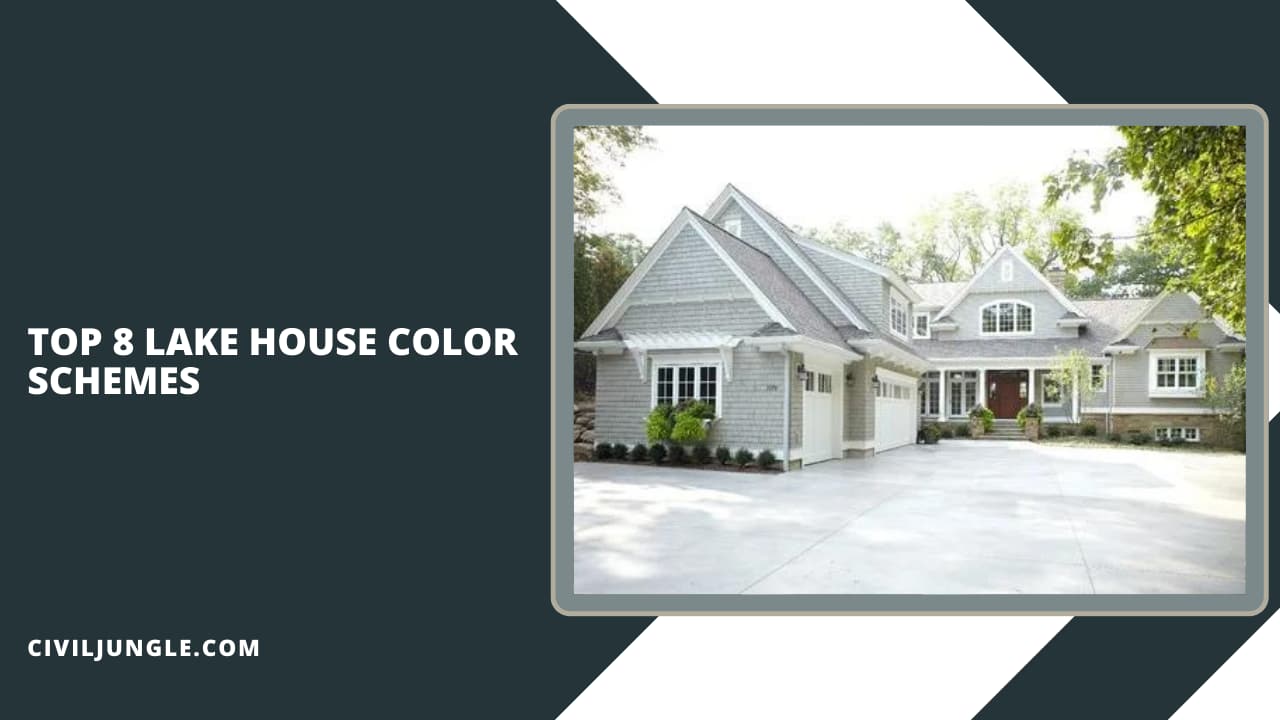
A lake house is more than just a home; it’s a serene escape that allows you to reconnect with nature while enjoying the tranquility of water views.
Whether you’re building a new lake house or redesigning an existing one, the key is to create a space that blends functionality, comfort, and style.
Here are some essential lake house ideas to help you design the perfect lakeside retreat.
1. Architectural Design: Making the Most of the View
Important Point

When designing a lake house, the architecture should embrace the surrounding landscape and make the most of the lake views. The design of your home should connect seamlessly with nature while offering comfort and functionality. Here are key architectural features to consider:
- Open Floor Plans: Open floor plans create a sense of spaciousness and provide unobstructed views of the lake. Focus on an open living, dining, and kitchen space that allows for natural flow and enhances the connection to the outdoors. Remove walls where possible to allow light and views to flood the space.
- Large Windows: Installing floor-to-ceiling windows or wide glass doors is essential to capture panoramic views of the water. These windows bring in natural light and allow you to enjoy the lake’s beauty from the comfort of your home. Consider installing sliding or French doors that open directly to a deck or patio for seamless indoor-outdoor living.
- Outdoor Living Integration: Ensure the outdoor and indoor spaces work together. Design expansive decks, patios, or balconies that flow out from the main living area. These spaces should be designed for relaxing, dining, or socializing while being surrounded by nature.
- Roof Design: The roof plays a key role in the overall aesthetic and function of the home. Gabled, vaulted, or even flat roofs can be incorporated, depending on the style you want. A pitched roof can provide extra attic space for storage, while a flat roof may be ideal for modern, minimalist designs.
- Materials: Use natural materials such as wood, stone, or metal to create harmony with the environment. Wood siding or stone cladding helps integrate your home into the lakeside setting, creating a sense of tranquility and balance. You might also choose materials that complement the water, such as weathered wood or materials that develop a patina over time.
2. Decorating with Nature: Earthy Materials and Soft Tones

The interior of a lake house should reflect the natural surroundings while providing comfort. Earthy materials and soft tones create a peaceful, grounded atmosphere that aligns with the tranquility of lakeside living. Here’s how to achieve this aesthetic:
- Wood and Stone Elements: Use wood for both structural and decorative elements. Wood floors, beams, paneling, and furniture create a rustic, natural vibe that connects with the outdoors. Combine wood with natural stone elements like a stone fireplace or stone accent walls to evoke a sense of permanence and timelessness.
- Neutral Color Palette: A neutral color scheme helps the surroundings stand out while offering a relaxing and serene atmosphere. Think soft grays, beiges, whites, and earthy tones like mossy greens and sand. Accent these neutral shades with natural textures—linen curtains, wool throws, and cotton cushions.
- Natural Textures: Incorporate woven materials, such as rattan, jute, and wicker, into your furniture and décor. A woven rug on the floor or wicker chairs on the patio will enhance the lakeside feel. Opt for organic fabric choices like linen, cotton, and leather for a cozy, lived-in look.
- Indoor Plants: Bring nature indoors with plenty of greenery. Large indoor plants like ferns, palms, or rubber plants can add a fresh, calming element. Consider potted plants near windows or in corners to provide an organic touch that mirrors the outdoor environment.
- Nautical or Lake-Inspired Accents: Consider adding subtle nods to the lake with nautical-inspired décor—think of soft blue accents, boat-themed artwork, or driftwood sculptures. These elements should be subtle enough to enhance the space without overwhelming it.
3. Maximizing Outdoor Spaces: Decks, Patios, and Waterfront Areas

Lake houses are all about embracing the outdoors, and creating inviting outdoor spaces is essential. Whether you want to entertain guests or relax by yourself, outdoor areas should feel just as cozy and stylish as the indoor ones. Here’s how to maximize these spaces:
- Spacious Decks and Patios: A large deck or patio is a must for any lake house. It can serve as the central outdoor living space, providing an area for relaxing, dining, or even entertaining. Consider using durable materials like composite decking or natural wood that can withstand the elements while offering a beautiful finish. Furniture should be comfortable and weather-resistant, like deep seating or Adirondack chairs.
- Waterfront Areas: If your lake house is situated directly on the water, take advantage of the natural beauty by creating a waterfront area. A private dock for boats, kayaks, or paddleboards can elevate the lakefront experience. You can also add a boat lift or seating by the shore to enjoy the sounds of the water and view.
- Fire Pits and Outdoor Lighting: To make the outdoor space usable in cooler weather or evening, incorporate a fire pit into your deck or patio design. A stone fire pit surrounded by chairs can create a cozy gathering area for family and friends. Outdoor lighting is also key—consider string lights, lanterns, or integrated lighting to set the mood.
- Covered Outdoor Spaces: For versatility, a covered outdoor area can allow you to use the space year-round. A screened-in porch or covered patio is great for keeping bugs at bay while still enjoying the outdoors. This is especially important for the summer months when mosquitos are a concern.
- Outdoor Kitchen: An outdoor kitchen or barbecue station can make entertaining easier. Add a built-in grill, sink, and counter space for food prep. It makes cooking meals al fresco easier and can keep the mess outside while allowing you to enjoy the view.
4. Storage Solutions for the Lake House Lifestyle

Lake houses often come with unique storage challenges due to the abundance of outdoor gear and seasonal items. It’s important to incorporate efficient, stylish storage solutions that blend with the overall aesthetic. Here are some ideas:
- Built-In Storage: To save space and avoid clutter, consider custom-built storage solutions. Built-in shelves and cabinetry can be tailored to fit your space and store things like books, extra towels, and seasonal items. In the entryway, built-in cubbies or a mudroom with hooks can store jackets, shoes, and bags.
- Mudroom: A dedicated mudroom near the entrance of the lake house is essential for storing outdoor gear. This room can have built-in cabinets or shelves for fishing rods, boots, and outdoor jackets. Hooks and baskets help keep everything organized and easy to access.
- Hidden Storage: In tight spaces, make use of hidden storage options. Under-bench storage, under-the-stairs cabinets, or built-in drawer units can store everything from extra bedding to outdoor tools without taking up extra space.
- Multi-Function Furniture: Choose furniture that offers hidden storage options. For instance, coffee tables with storage compartments can hold board games, blankets, or books. Ottomans and benches can serve as additional seating while hiding away pillows or extra throws.
- Outdoor Storage: If your lake house is located directly on the water, you’ll need outdoor storage for boating gear, kayaks, and pool toys. Consider a storage shed or waterproof storage containers that blend in with the natural surroundings.
5. Creating Cozy Interiors: Comfortable and Inviting Spaces

At its core, a lake house should feel like a cozy retreat. Creating an inviting and comfortable interior is key to making the space feel like home. Here’s how to create a warm, welcoming atmosphere:
- Fireplaces: A fireplace is a must in any lake house to provide both warmth and ambiance. Whether you choose a stone hearth, a wood-burning stove, or a gas fireplace, it will become a focal point of the living room. The warmth and crackling sound of a fire add to the cozy atmosphere.
- Soft Furnishings: Comfort is key when selecting furnishings. Opt for large, plush sofas and chairs with soft, cozy fabrics like chenille, velvet, or wool. Add layers with cozy throws and fluffy pillows. Choose seating arrangements that encourage conversation and relaxation, with plenty of space for family and friends.
- Open Shelving and Decorative Pieces: Open shelving provides both storage and display space for personal items like family photos, books, or lake-themed décor. Use wooden or metal shelving units to match the rustic, lakeside style.
- Textured Rugs: Area rugs help soften the space, add color, and make the home feel warmer. Choose rugs made from natural fibers like wool or jute that align with the earthy, rustic feel of the home. A large rug in the living room can create a focal point and tie together the seating area.
- Natural Lighting: In addition to large windows, consider incorporating other sources of natural light. Skylights or glass doors that open onto the patio will enhance the airy, open feel of your lake house. Layer lighting with soft, warm-toned lamps and pendant lights to maintain a cozy ambiance in the evenings.
6. Sustainable Living: Eco-Friendly Lake House Ideas

Living sustainably at the lake house not only helps preserve the environment but also enhances the comfort and functionality of your home. Sustainable design elements can be incorporated throughout your lake house to reduce your carbon footprint and promote a more eco-conscious lifestyle. Here’s how:
- Solar Panels: Installing solar panels on the roof is a great way to harness the power of the sun and reduce energy costs. Solar energy can be used to power your lights, appliances, and heating, making your lake house more energy-efficient. Depending on your location, you may even be able to sell excess energy back to the grid.
- Rainwater Harvesting: Collecting rainwater for irrigation or even household use can be a game-changer for lake house owners. Install rainwater collection systems, such as gutters and downspouts leading to a storage tank, to collect rainwater for watering plants or for use in your landscape design. Make sure to check local regulations if you plan to use this water inside the home.
- Energy-Efficient Windows: Installing double or triple-glazed windows helps to maintain a comfortable indoor temperature, reducing the need for heating and cooling. These energy-efficient windows are ideal for controlling drafts and minimizing heat loss during colder months, making your home more energy-efficient.
- Sustainable Materials: Use materials that are either sustainably sourced or have a lower environmental impact. For example, bamboo flooring is a fast-growing and eco-friendly alternative to traditional hardwood, and reclaimed wood adds character and sustainability. Also, opt for natural stone countertops or eco-friendly tile options that are durable and recyclable.
- Composting and Waste Reduction: Composting organic waste is a sustainable practice that reduces the amount of trash going to landfills. Set up a composting station in your yard for food scraps and yard waste. Additionally, reducing waste by choosing reusable products over disposable ones can help keep your lake house more eco-friendly.
- Energy-Efficient Appliances: Choose Energy Star-rated appliances that use less electricity and water. Appliances such as refrigerators, washing machines, and dishwashers that are energy-efficient will save you money in the long run while being more eco-conscious.
7. Seasonal Lake House Living: Ideas for Year-Round Comfort and Style

A lake house can be enjoyed in every season, and adapting the design and décor for year-round comfort is essential. Here’s how to make your lake house inviting throughout the year:
- Summer: During the warm months, embrace light fabrics and bright, airy colors. Use sheer curtains to let in natural light, and keep your décor fresh with ocean-inspired accents like light blues, whites, and sandy tones. Incorporate plenty of outdoor furniture to enjoy the waterfront views, such as lounges, hammocks, and an outdoor dining area.
Pro Tip: Create an outdoor bar or refreshment station for serving drinks and snacks while entertaining by the water. A small outdoor kitchen with a grill and counter space can be a functional and stylish addition.
- Fall: As the weather cools down, introduce cozy elements like heavier fabrics (wool, velvet, or thick cotton) and warm, earthy tones. Throw blankets, knit pillows, and rustic autumn décor such as pumpkins and fall foliage bring a sense of comfort. A fire pit or wood-burning stove will provide both heat and ambiance.
Pro Tip: Incorporate seasonal décor in your entryway, like a wreath made from autumn leaves or a basket filled with seasonal fruit, to create a welcoming atmosphere for guests.
- Winter: A lake house in winter should feel like a warm, inviting retreat from the cold. Swap out lightweight summer textiles for heavier blankets, plush rugs, and cozy throws. Deep tones like burgundy, rich green, and dark blues can evoke a sense of warmth and comfort. A fireplace or a wood-burning stove is essential for creating a cozy environment.
Pro Tip: Use window treatments like heavy curtains to keep the cold out and trap warmth inside. Layer your bedding with flannel sheets, down comforters, and thick duvets for extra warmth during chilly nights.
- Spring: As the seasons change, freshen up your décor with light, pastel colors like mint green, soft yellows, and floral patterns. Open up your windows to let the fresh spring air in, and consider adding indoor plants or fresh flowers to your décor. A fresh coat of paint in a light, neutral color can bring a bright, airy feel to your space.
Pro Tip: Use lighter fabrics like linen or cotton for throws, pillows, and window coverings. Incorporate seasonal flowers and greenery into your décor to reflect the season’s renewal.
8. Lake House Kitchen: Functional and Stylish Cooking Spaces

The kitchen is the heart of any home, and in a lake house, it should be designed to make the most of your time spent with family and friends. Here are ideas for designing a kitchen that is both functional and stylish:
- Open Shelving: Open shelving is a great way to display decorative items such as vintage cookware, beach-inspired dishes, or a collection of your favorite mugs. It creates a light, airy feel and is perfect for a laid-back, lakeside vibe. Just be sure to keep it organized and free of clutter.
- Durable Countertops: Opt for materials that are both functional and beautiful. Natural stone options like granite or marble are durable and timeless, while quartz offers low-maintenance benefits. For a rustic lakeside look, butcher block countertops provide warmth and character.
- Island with Seating: A kitchen island is a great addition to any lake house kitchen. Not only does it provide extra workspace for cooking, but it can also serve as a gathering spot for friends and family. Add bar stools or comfortable seating for casual meals or to entertain while preparing food.
- Natural Light: Maximize natural light by incorporating large windows that provide views of the lake while you cook. Skylights or glass doors that open to an outdoor deck or patio help bring the outdoors inside.
- Functional Layout: In a lake house, the kitchen layout should be designed for both efficiency and socializing. A U-shaped or L-shaped kitchen layout works well in smaller spaces, while larger kitchens can benefit from a galley or open-plan design. Keep your kitchen organized with clever storage options like pull-out pantry shelves, deep drawers for pots and pans, and hidden storage for small appliances.
- Beach-Inspired Décor: Add touches of coastal or lakeside charm with décor like nautical-inspired dishware, glass jars filled with shells, or a driftwood cutting board. Keep the colors light and breezy with shades of blue, white, and sand.
9. Outdoor Living: Creating a Relaxing Retreat in Nature

The outdoor areas of your lake house are just as important as the indoor spaces. Maximizing these spaces for relaxation, entertaining, and enjoying nature is essential. Here are ideas for creating a relaxing retreat outside your lake house:
- Decks and Patios: A large, well-designed deck or patio area is perfect for dining and lounging. Opt for a mix of seating options, including dining tables, lounge chairs, and even hammocks or swings for a laid-back vibe. If you have space, add an outdoor kitchen or bar area to entertain guests while taking in the views.
- Fire Pit Area: A fire pit can become the central gathering point on cooler evenings. Surround it with comfortable seating like Adirondack chairs or even a sectional for large groups. Choose a stone or brick fire pit design that complements the natural surroundings of the lake.
- Waterfront Dock: If your lake house is on the water, a private dock is essential. You can use it for docking boats, kayaking, or just relaxing by the water. Add a few lounge chairs or a hammock nearby for ultimate relaxation, or consider a small seating area to enjoy the water’s calm.
- Landscaping: Enhance your outdoor living space with thoughtful landscaping. Use native plants that require minimal maintenance and can thrive in your climate. Create a natural transition between your home and the lake with lush plants, flowers, or a small garden. You can even add pathways leading to the water or to secluded sitting spots.
- Outdoor Lighting: Proper outdoor lighting is key for creating a magical evening atmosphere. Use string lights, lanterns, or solar-powered garden lights along pathways and the deck to set the mood. Consider lighting the dock or the edge of the water to extend the use of your outdoor space after sunset.
10. Storage Solutions: Maximizing Space in Your Lake House

Storage is one of the most important aspects of creating a functional lake house. Due to its recreational nature, you’ll need extra storage for things like outdoor gear, seasonal clothing, and equipment for water sports. Here are storage ideas to help maximize your space:
- Mudroom Storage: A dedicated mudroom is essential for keeping outdoor gear organized and easily accessible. Include storage for boots, coats, and jackets, as well as hooks for hats and bags. A bench or cubbies can help with seating and organizing personal items.
- Built-in Furniture: Incorporate built-in furniture that offers hidden storage while maintaining a sleek, clean look. Built-in shelving or cabinets in hallways, bedrooms, and living areas can store books, media equipment, or other items without cluttering up the space.
- Multi-Function Furniture: Furniture that doubles as storage is perfect for lake houses. Choose ottomans with hidden compartments, coffee tables with drawers, and beds with storage underneath. These pieces can help you store everything from blankets to extra linens without taking up additional space.
- Outdoor Storage: For outdoor equipment like kayaks, fishing rods, or beach chairs, consider installing a garden shed or waterproof storage containers. These can be placed outside but out of sight to maintain the aesthetics of your lake house while keeping your gear organized.
- Seasonal Closets: Create designated storage spaces for seasonal items. A closet or wardrobe specifically for storing winter or summer gear can help keep the home organized year-round. Consider using bins or vacuum-sealed bags to store off-season clothes or bedding.
Conclusion
Designing the perfect lake house is about balancing style with comfort and creating spaces that connect with nature. Whether you prefer a rustic retreat or a modern escape, these lake house ideas will help you transform your waterfront property into a haven where relaxation and beauty are always within reach.
By thoughtfully planning your design, you can create a timeless space that enhances your enjoyment of the lake and the surrounding environment for years to come.
Like this post? Share it with your friends!
Suggested Read –
Originally posted 2024-02-14 12:45:35.


Leave a Reply