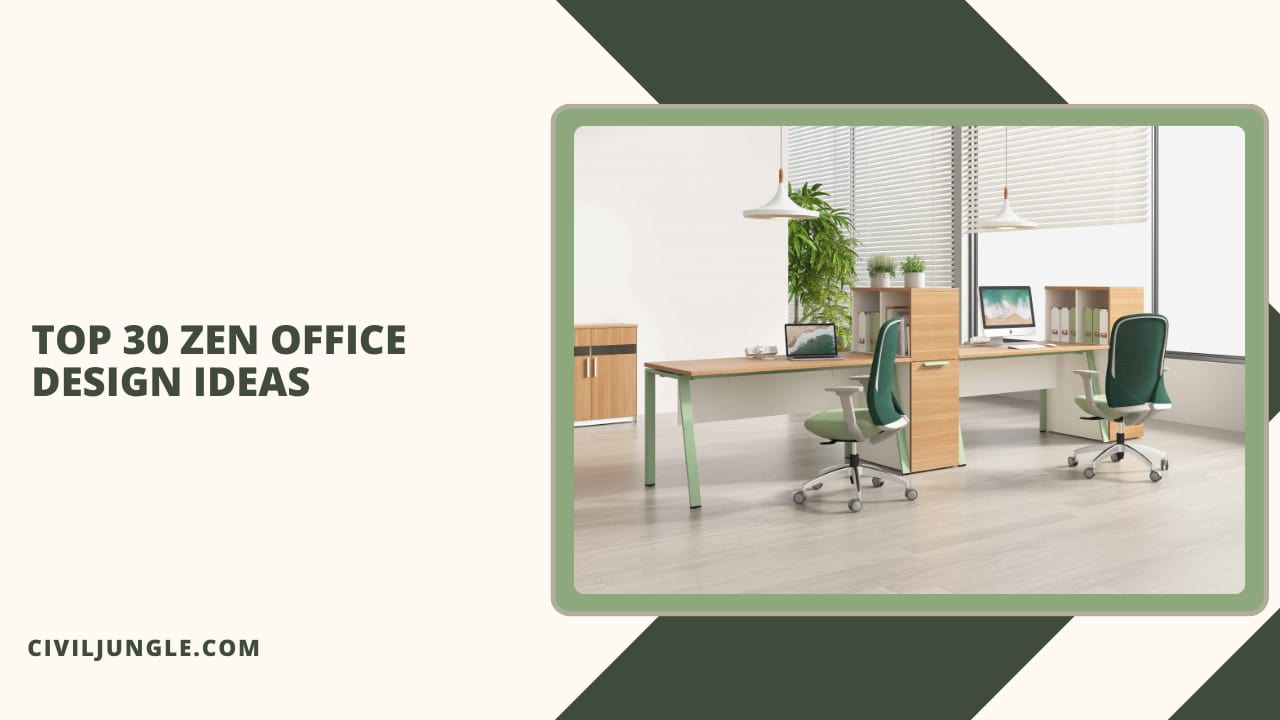
Designing a Zen-inspired office space is all about creating a calm, balanced environment that nurtures focus and reduces stress. By incorporating natural elements, neutral colors, and thoughtful organization, you can transform your workspace into a peaceful sanctuary.
Below are five Zen office design ideas to help you get started:
1. Embrace Neutral and Natural Color Palettes
Important Point
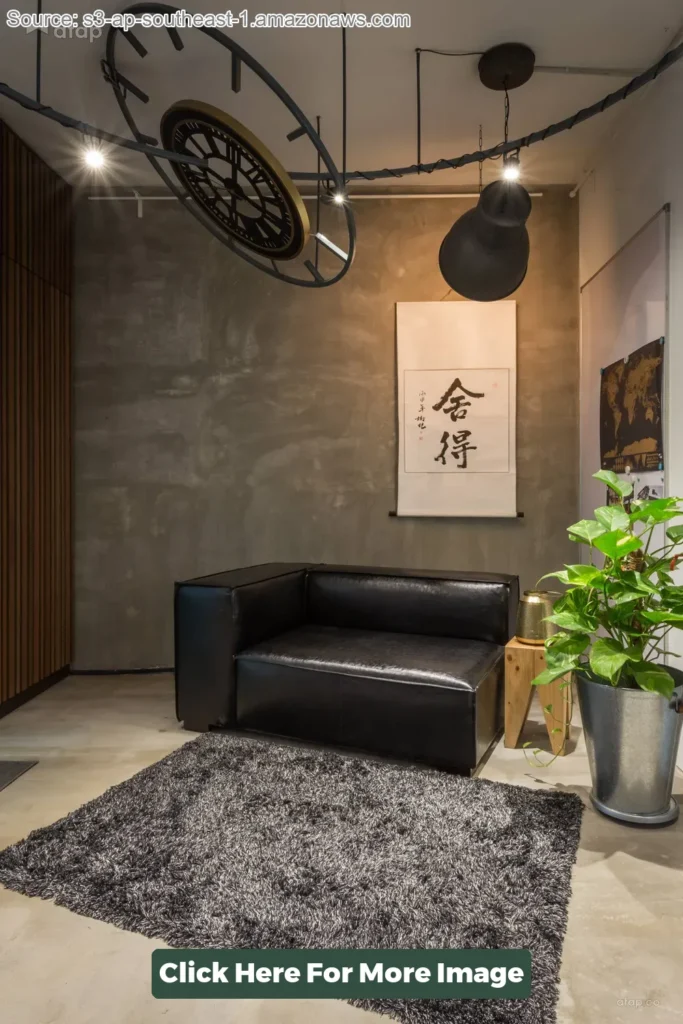
Warm, Earthy Tones
- Focus on colors like beige, sand, taupe, and soft grays. These tones evoke a grounding sensation and help maintain a tranquil environment.
- Subtle greens—like sage or olive—can also bring a refreshing touch without distracting the eye.
Wood and Bamboo Accents
- Incorporate natural materials like wooden desktops, bamboo flooring, or wood-grain finishes. These materials deliver both visual and tactile warmth, reminding you of nature’s calming influence.
- Ensure these accents seamlessly blend with the surrounding palette to maintain a cohesive, Zen-like look.
Color Psychology
- Earthy shades are often associated with stability, safety, and comfort—qualities that can enhance productivity.
- Limit bold or bright colors to small accent pieces (like throw pillows or a single wall) to avoid overstimulation.
2. Incorporate Minimalistic Furniture
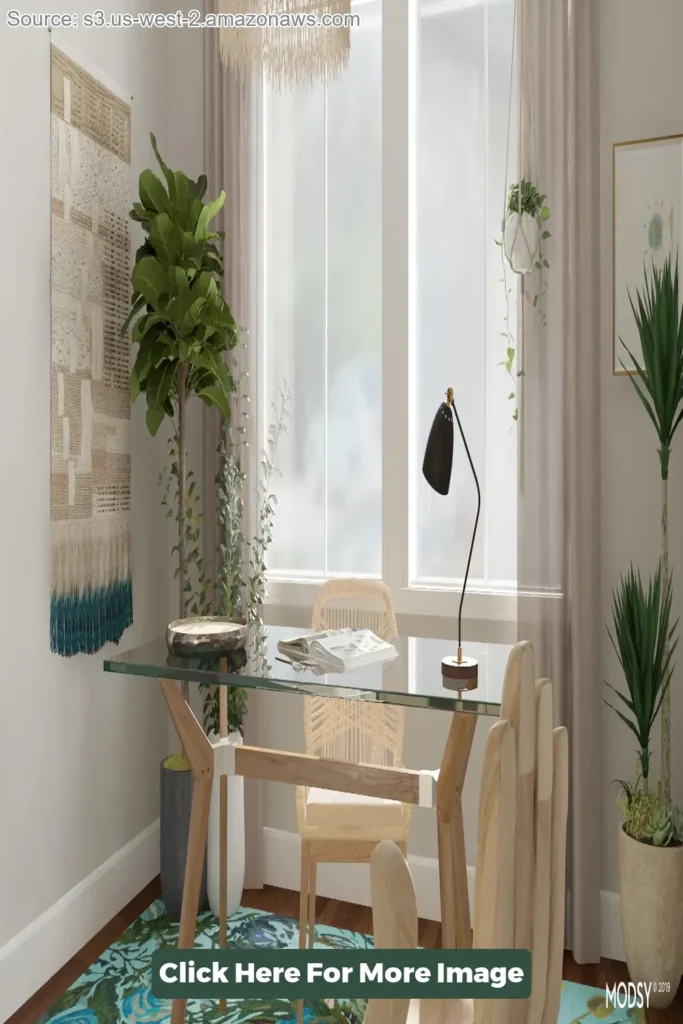
Streamlined Silhouettes
- Seek out desks, chairs, and storage pieces with simple, clean lines. Avoid ornate details or complicated shapes that can introduce visual clutter.
- Keep surfaces smooth and free of excess hardware, focusing on functionality over decorative elements.
Quality Over Quantity
- Invest in durable, ergonomic furniture. Supportive chairs and well-designed desks help prevent physical strain while aligning with Zen’s emphasis on well-being.
- Opt for a few well-made items rather than filling the space with unnecessary pieces.
Balanced Layout
- Arrange furniture in a way that allows for easy movement and unobstructed pathways. This open flow reduces stress and promotes a feeling of spaciousness.
- Use rugs or floor mats sparingly, ensuring they don’t become tripping hazards or visual distractions.
3. Bring Nature Indoors
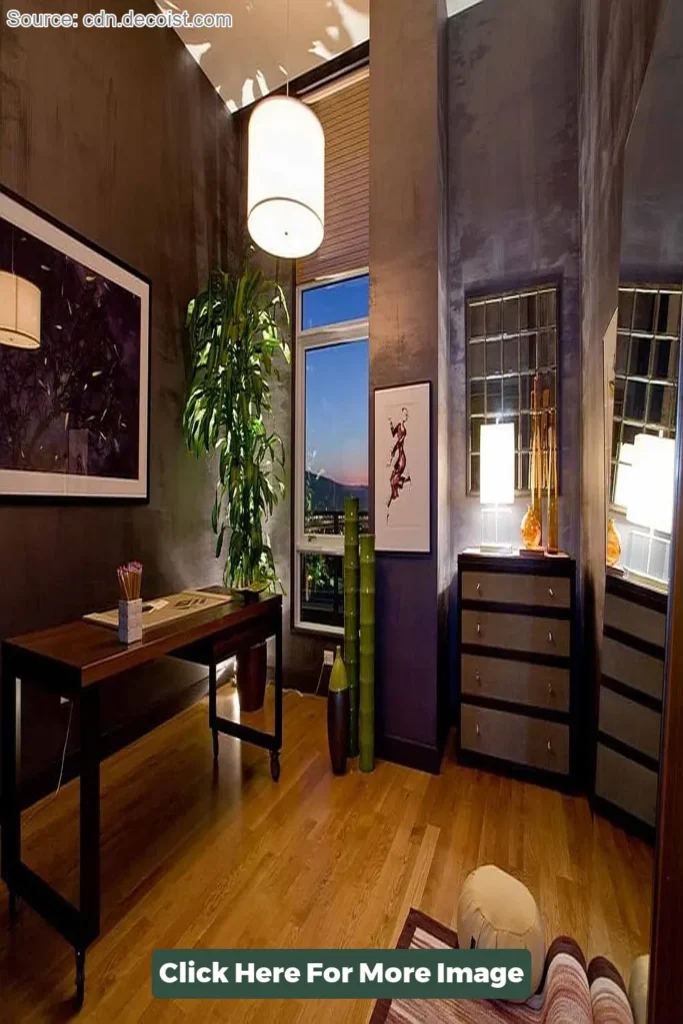
Mindful Greenery
- Add low-maintenance plants such as snake plants, peace lilies, or succulents. These not only freshen the air but also provide a sense of connection to the outdoors.
- Opt for planters that match your color palette—like white ceramic or natural stone—to maintain a cohesive aesthetic.
Zen Gardens and Natural Decor
- Miniature tabletop Zen gardens or small water features offer a gentle reminder of nature’s calming influence.
- Use natural stones or rocks as decorative accents or paperweights, reinforcing an organic vibe.
Calming Sounds and Aromas
- Consider a small water fountain to create gentle white noise, drowning out distracting office sounds.
- Introduce soothing scents using essential oil diffusers with lavender, eucalyptus, or chamomile—keeping the aroma faint so it doesn’t become overwhelming.
4. Optimize Lighting
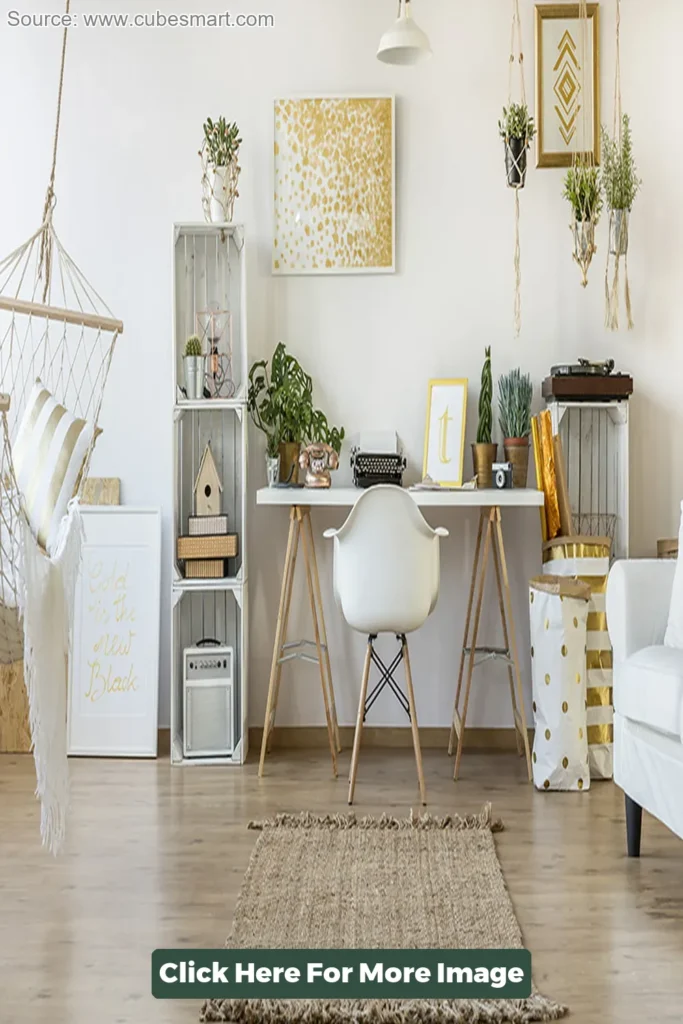
Maximize Natural Light
- Position desks near windows or choose sheer curtains to allow daylight to illuminate the workspace. Exposure to natural light helps regulate your circadian rhythm and can uplift mood.
- Keep windows unobstructed to ensure a clear view of the outdoors, further connecting the space to nature.
Layered Artificial Lighting
- Employ various types of lighting: a focused desk lamp for tasks, subtle ambient lighting for overall brightness, and perhaps a small accent lamp for cozy warmth.
- Use warm-toned LED bulbs (2700K–3000K) to create a soft, inviting atmosphere. Harsh overhead lighting at higher Kelvin temperatures (4000K–5000K) can feel cold and clinical.
Dimmer Switches and Smart Controls
- Install dimmers or smart bulbs to adjust brightness levels throughout the day. Softer lighting in the afternoon and evening can help maintain a relaxed focus.
- Automate lighting schedules if possible, ensuring you’re not overwhelmed by bright lights late in the day.
5. Create a De-Cluttered, Organized Layout
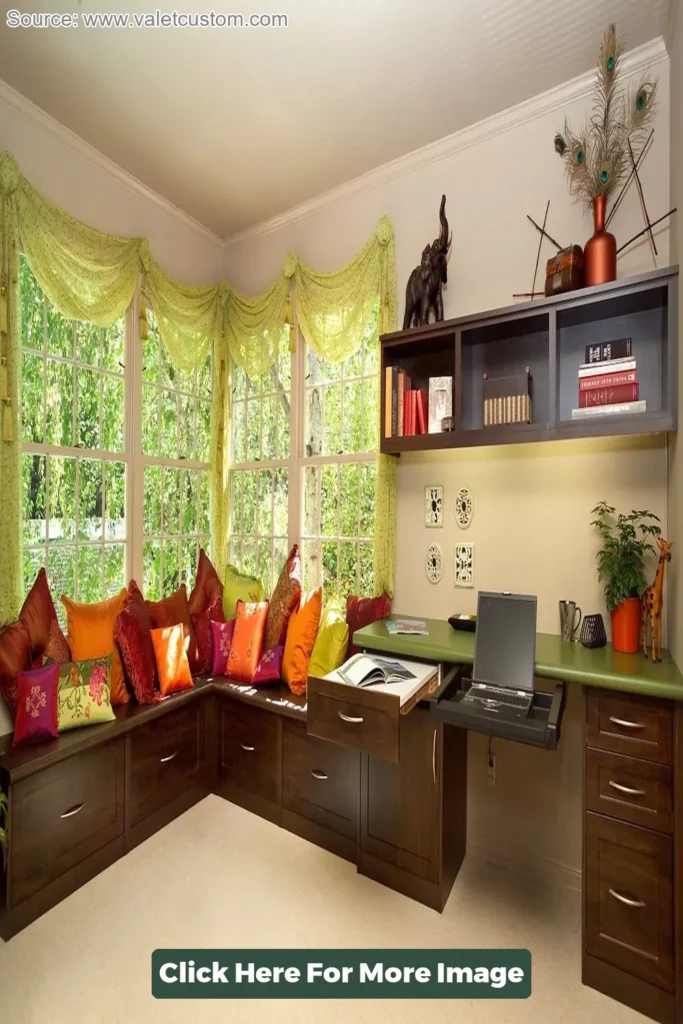
Mindful Storage Solutions
- Utilize closed cabinets or storage bins that hide office supplies and paperwork, keeping surfaces clear. This ensures a visually quiet space that’s easier to keep tidy.
- Employ drawer organizers or labeled sections for quick access to essentials, reducing stress when searching for items.
Minimal Decor and Personal Items
- Only display objects that bring genuine joy or serve a functional purpose. An intentionally curated set of items—like a small plant or a meaningful photograph—can uplift your mood without causing distraction.
- Keep cables and cords organized and out of sight. Cable management boxes or clips help maintain a neat appearance.
Digital Organization
- Apply the same minimalism principle to your digital workspace. Keep your computer desktop and online folders equally clutter-free for mental consistency.
- Regularly clean out old files or emails. A streamlined digital environment complements the physical Zen aesthetic.
6. Incorporate Mindful Technology Use
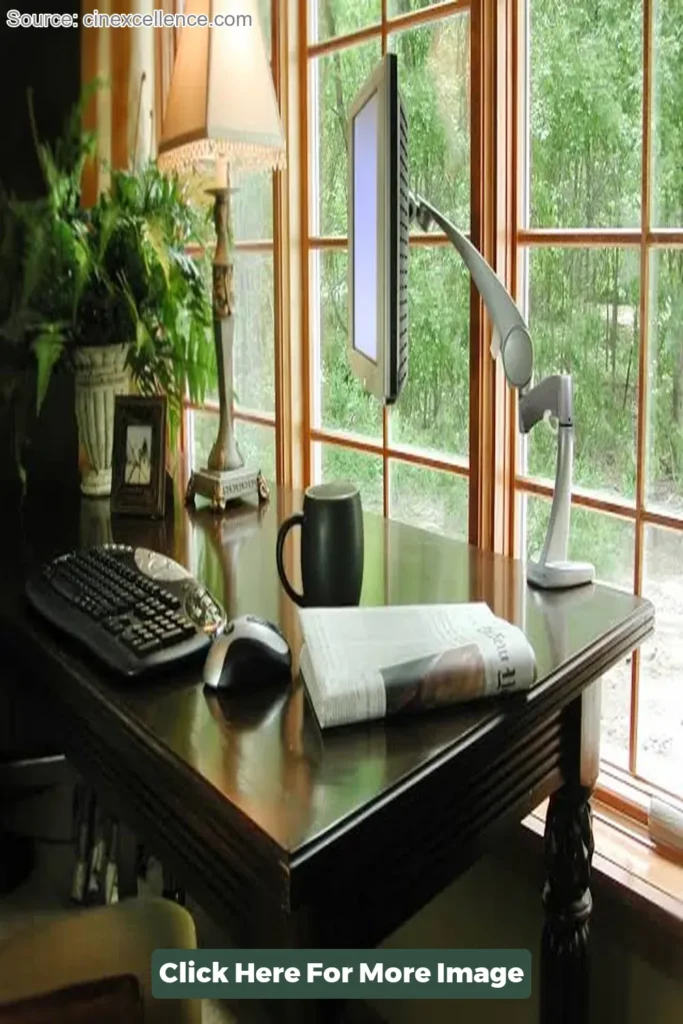
Calming Computer Interface
- Set your desktop background to nature scenes or soothing abstract images. Avoid cluttered icons by organizing your files into clear, minimal folders.
- Choose a neutral or muted color scheme for your operating system and software interfaces to reduce visual fatigue.
Device Placement
- Position computer monitors at eye level to maintain good posture. This reduces neck strain and keeps you comfortably focused.
- Keep laptops, tablets, and phones in designated spots when not in use to avoid visual or mental distractions.
Digital Wellness Practices
- Install apps or browser extensions that remind you to take periodic breaks or engage in short mindfulness exercises.
- Limit notifications to essential alerts only, and schedule “focus” or “do not disturb” modes to cultivate a more peaceful environment.
7. Cultivate a Soothing Sound Environment
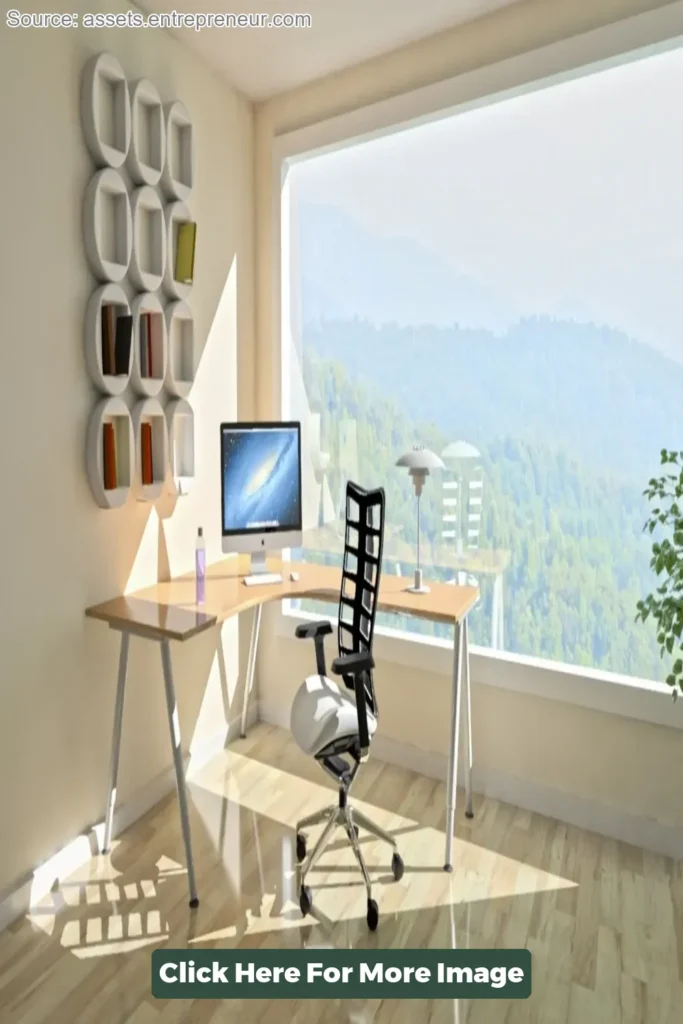
White Noise or Nature Sounds
- Consider using sound machines or apps that play gentle white noise, ocean waves, bird sounds, or soft instrumentals. These can help mask external disturbances and promote concentration.
- If your space allows, a small water fountain can provide subtle, calming background noise.
Noise-Cancelling Solutions
- Use rugs or acoustic panels on walls to absorb excessive sound, especially if you share an office or work in a noisy environment.
- Invest in noise-cancelling headphones if you need to focus in a shared or open-concept space.
Musical Harmony
- If you prefer music, opt for low-tempo instrumental or ambient tracks. Keep volume moderate to maintain a calm ambiance.
- Avoid jarring playlists or disruptive ads by using ad-free music services or offline playlists.
8. Personalize with Intention
Meaningful Décor
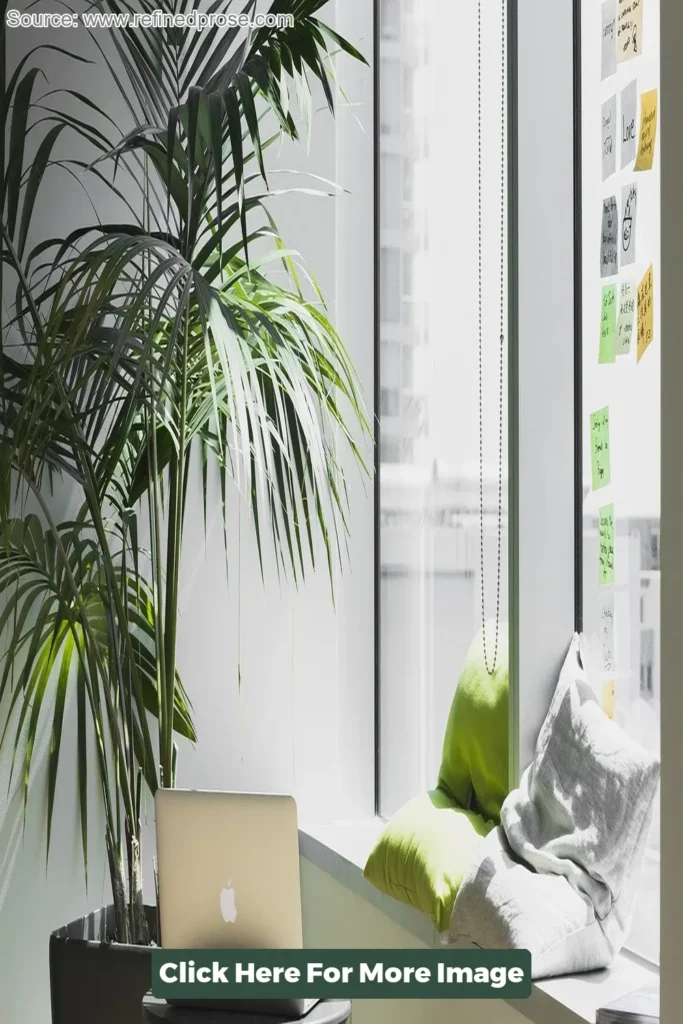
- Choose art, quotes, or photographs that inspire positive emotions. A small vision board or a single statement piece can serve as motivation without overwhelming the space.
- Integrate handcrafted or artisanal items—like ceramic cups, a handmade pen holder, or decorative textiles—for a touch of personality.
Sensory Touchpoints
- Consider adding a soft throw blanket or cushion if you have a seating area, providing warmth and comfort.
- Display a single, meaningful keepsake or collectible to remind you of personal goals, experiences, or values.
Subtle Aroma
- Use essential oils in a diffuser to fill the room with a gentle, calming scent. Popular options include lavender, chamomile, and sandalwood.
- Stick to one or two fragrance notes to maintain a subtle ambiance instead of overwhelming the senses.
9. Incorporate Mindful Break Areas
Dedicated Rest Spot
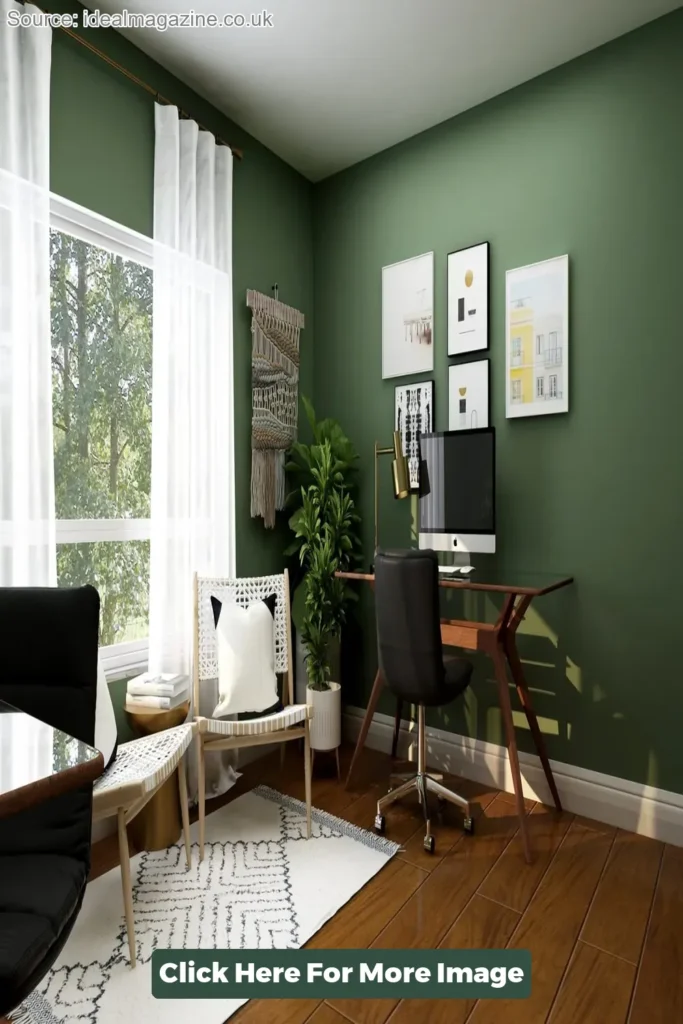
- If space permits, create a small corner with a comfortable chair or floor cushion for meditation, reading, or quick relaxation.
- Keep this area clutter-free and distinct from your main work zone to mentally separate work from rest.
Movement and Stretching
- Include a yoga mat or exercise ball if you have room, encouraging short stretching or mindfulness breaks.
- Take periodic mini-breaks to walk around, practice deep breathing, or perform quick desk stretches to maintain energy and focus.
Refreshment Station
- Set up a station with herbal teas, water, or healthy snacks to stay hydrated and nourished.
- Choose snacks that support well-being (e.g., nuts, fresh fruit) over sugary or processed options.
10. Prioritize Ergonomics and Posture
Supportive Seating
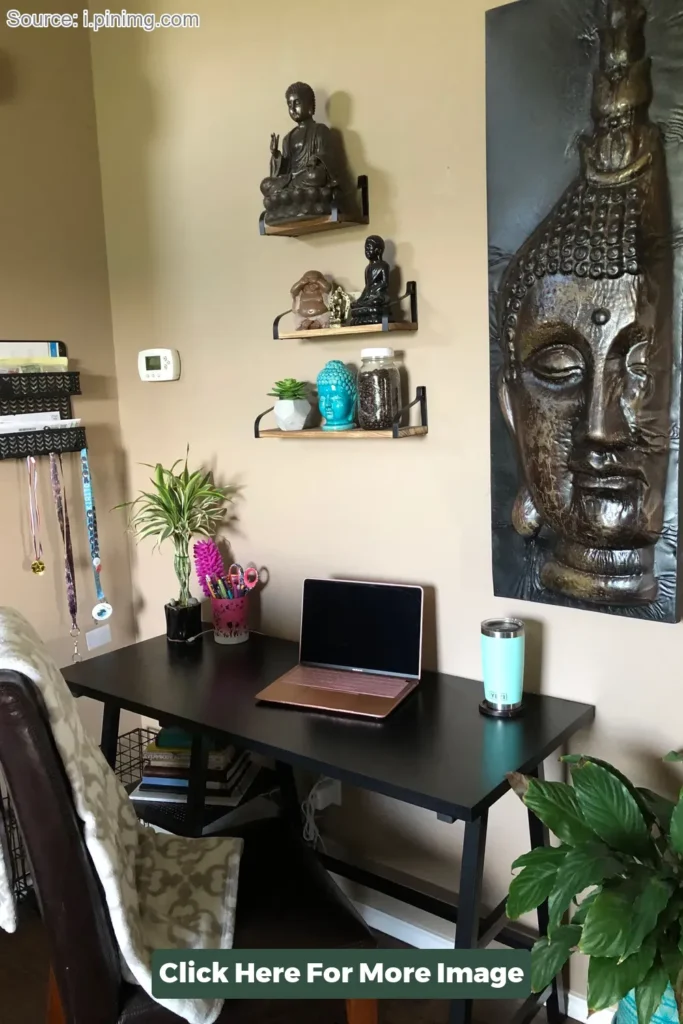
- Select an ergonomic office chair with adjustable height, lumbar support, and armrests. Proper support prevents fatigue and boosts focus.
- Ensure your feet rest comfortably on the floor or a footrest, maintaining healthy posture throughout the day.
Desk Height and Monitor Alignment
- Position your keyboard and mouse so that your elbows form a 90-degree angle, reducing wrist strain.
- Keep the top of your monitor at or slightly below eye level to prevent neck and upper back tension.
Frequent Position Changes
- Consider a sit-stand desk or regularly shift between seated and standing positions to alleviate back pain and muscle stiffness.
- Integrate short stretches or mindfulness exercises into your routine to maintain circulation and reduce stress.
Like this post? Share it with your friends!
Suggested Read –


Leave a Reply